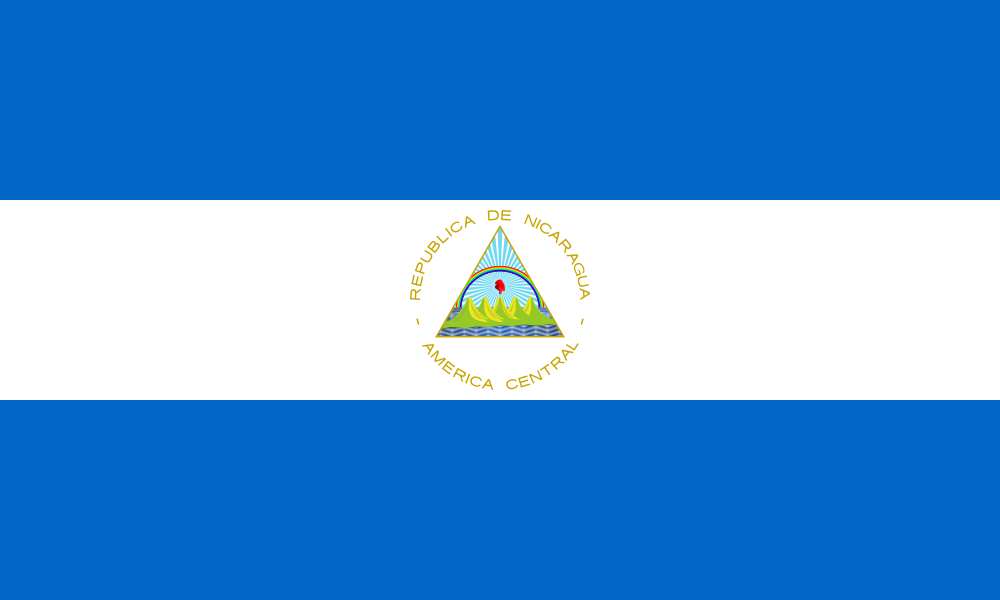
Nicaragua🕣
Country in Central America. Official name – the Republic of Nicaragua. Population – 6.7 million (as of 2020). Capital – Managua. Official language – Spanish. Government type is a unitary state with a presidential form of government. Main religion – Catholicism.
Nicaragua
Greeting
People usually greet each other with a handshake. This applies to both men and women in formal situations.
When meeting a group of people, it’s important to greet everyone individually. If several people are sitting at a table or in a room, make sure to say hello to each one, not just give a general greeting to the whole group.
A handshake between men should be firm and include eye contact.
While first meetings tend to feel more formal, later interactions are usually friendlier and more relaxed. It's common for people to hug, and women often greet each other with a kiss on the cheek. Watch how your Nicaraguan counterpart behaves, and take your cue from them.
When you’re meeting someone for the first time, it’s polite to say “Mucho gusto”, which means “Nice to meet you” or “Glad to meet you”.
Common ways to say hello in Nicaragua include: “Buenos días” (Good morning), “Buenas tardes” (Good afternoon), “Buenas noches” (Good evening).
In more formal meetings, it’s usually the older person or the one with higher rank who introduces their younger or junior colleagues.
Introduction
During first meetings—whether formal, official, or even social—it’s polite to use formal titles like Señor (Mr.), Señora (Ms.), or Señorita (Miss), followed by the person’s last name.
In professional or official conversations, it’s also respectful to use someone's job title or academic degree if they have one. Common titles include: Doctor – for someone with a doctorate or in the medical field, Abogado – lawyer, Ingeniero – engineer, Profesor – professor or teacher.
When a business relationship is just beginning, Nicaraguans typically address foreign partners by last name, not first name, and they expect the same in return. If the person has a professional or academic title, it's best to use it along with their last name.
If you're unsure whether the person has a title or academic degree, or they don’t have one, stick with Señor, Señora, or Señorita, followed by their last name.
Like in many Spanish-speaking countries, Nicaraguan surnames usually have two parts: the father’s last name comes first, followed by the mother’s paternal surname.
For example: Felix Sarmiento Carrera – here, “Sarmiento” is the main surname you should use when addressing him formally: Señor Sarmiento.
A good rule of thumb: follow your Nicaraguan colleague’s lead when it comes to how formal or informal you should be with names and titles. At the beginning, stick to a formal address until they invite you to switch to using first names.
Exchange of Business Cards
It’s common to exchange business cards during the first meeting, as well as at events like trade shows, fairs, conferences, or forums. So, make sure you bring plenty of cards with you.
A standard business card typically includes: the person's first and last name, their position or title, company name and address, phone numbers, and email address.
At least one side of your business card should be printed in Spanish. When handing it over, present the Spanish-language side facing up.
There’s no strict ritual around giving or receiving business cards in Nicaragua. However, when someone gives you their card, it’s polite to take a moment to look at it rather than putting it away immediately.
A brief positive comment about the person’s company or role can leave a good impression and help start the conversation on a friendly note.
Small Talk: Overview
Don’t be surprised if your Nicaraguan business partner asks personal questions during casual conversation, like about your family, income, or personal life. This is common and culturally accepted. It's a way to get to know you better, and being open in return can help build trust for future business cooperation.
Nicaraguans are generally warm, open, and expressive in conversation. They're happy to talk about almost any topic — except politics, which is usually avoided in professional settings.
Humor plays an important role in Nicaraguan communication. Sharing a funny story, light joke, or personal anecdote is a great way to break the ice and create a relaxed, friendly atmosphere that encourages stronger relationships.
First impressions matter, so be mindful of your appearance when meeting with Nicaraguan colleagues. Clothing doesn’t need to be expensive, but it should be clean, neat, and ironed.
For formal events or official meetings, a conservative dress style is expected. Choose clothing that is modest in design and neutral in color to match the tone of the occasion.
Preferred Topics
Family and Home Life. Talking about family is very natural in Nicaragua. People enjoy sharing stories about their loved ones and may ask you about yours as well.
Nicaraguan History and Culture. Showing interest in the country’s history, cultural traditions, or famous landmarks is usually appreciated and can lead to meaningful conversations.
Positive Impressions of the Country. Sharing your positive experiences in Nicaragua—or in specific regions or cities—is a great way to connect with locals and show respect for their home.
Food and Local Cuisine. Talking about food is a fun and safe topic. You can ask about local dishes, favorite meals, or typical ingredients—and maybe even get some great restaurant recommendations.
Taboo Topics
Politics and Corruption. These are highly sensitive issues. Nicaragua has experienced armed conflicts, political upheavals, and government changes over the past several decades. Even casual mentions can create discomfort or tension.
Current Domestic Politics. Avoid making direct or strong comments about Nicaragua’s internal political situation. Your counterpart may have personal or emotional ties to certain events or political groups, and it’s difficult to know someone’s affiliations.
Political Figures (Local or Foreign). It’s best to steer clear of naming politicians, whether Nicaraguan (e.g., Daniel Ortega) or international (e.g., Donald Trump), as this can unintentionally trigger sensitive reactions.
Religion. While religion plays an important role in Nicaraguan society, it’s generally not recommended to bring up religious topics in business conversations, especially with people you don’t know well.
Referring to the U.S. When talking about the United States, avoid calling it simply “America”, and don’t refer to its citizens as“Americans”. People from Central America also consider themselves “Americans.” Use terms like “U.S. Americans” or “People from the United States” to be more accurate and respectful.
Comparisons with Other Central American Countries. Try not to compare Nicaragua—especially critically — with neighboring countries like Honduras or Costa Rica. Such comparisons may be seen as offensive or dismissive.
Personal Space
People generally stand closer together during conversation than in many other cultures.
The typical comfortable distance is around 50 cm (about 20 inches).
By comparison, in Central and Northern Europe, personal space in conversations often ranges from 100–110 cm (around 3–4 feet).
Among friends or close colleagues, Nicaraguans may stand even closer — this is a natural part of their warm, personal communication style.
If you stand too far away, it may unintentionally signal disinterest or emotional distance.
Nicaraguans tend to use expressive gestures during conversation. It’s common to see people: touching each other’s arm or shoulder, giving light pats on the back, offering quick hugs to show friendliness and connection.
Direct eye contact is important and shows that you're engaged — but it should feel natural and not overly intense.
When speaking with a woman, it’s best to keep eye contact softer and more moderate to avoid discomfort.
Be mindful not to mimic the body language or physical expressions of your Nicaraguan counterpart.
Gestures and touch can carry different meanings depending on the culture, and trying to replicate them without full understanding can feel unnatural or even inappropriate.
Communication Specifics
Building Trust Takes Time. One of the most important aspects of communication in Nicaragua is developing a relationship based on trust and mutual understanding.
This doesn’t happen overnight—it may take time and patience before a business partner feels truly comfortable.
Indirect Communication is Preferred. Directness and blunt honesty are often avoided, especially in professional or sensitive situations.
Nicaraguans tend to favor polite, diplomatic, and friendly language to help avoid conflict or embarrassment (commonly referred to as "loss of face").
Saying “No” Indirectly. You’ll rarely hear a direct “No”. Instead, someone may say: “I’ll think about it”, or simply remain silent, which is widely understood to mean rejection or disagreement.
Show Respect for Status and Roles. When dealing with people in positions of authority or responsibility, it's important to show **respect and follow proper protocol**.
Maintain Some Formality at First. While Nicaraguans are warm and welcoming, it's best to keep communication formally polite at the beginning of a business relationship.
A Friendly and Warm Tone Matters. Nicaraguans are known for their warm, friendly communication style. You’ll make a good impression if you come across as sincere, personable, and genuinely interested.
Expressive, Lively Conversations. Conversations are often lively, expressive, and emotionally engaging. You may notice: Frequent gestures and body language, an energetic tone of voice, very few pauses or silences.
This style reflects enthusiasm and openness—not aggression—so don’t be alarmed if conversations feel more animated than you're used to.
Any questions? Contact us.
Ask a Question