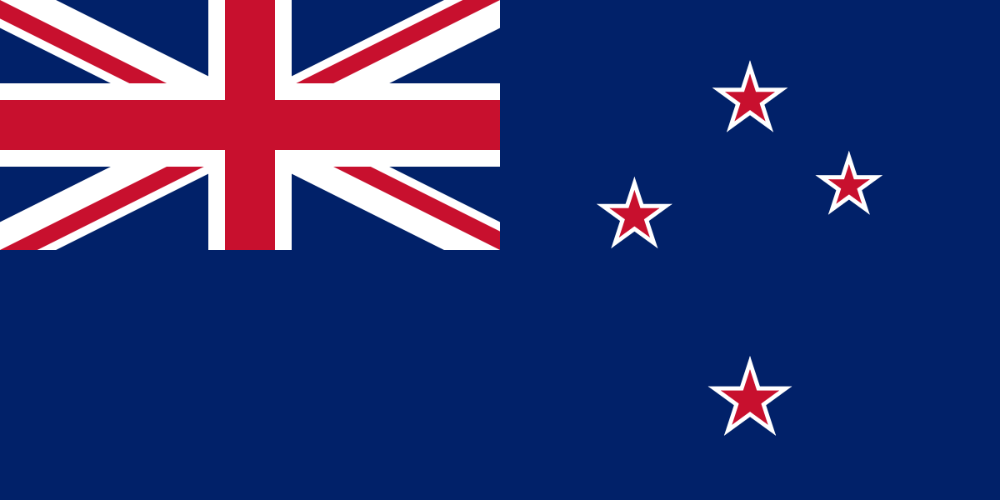
New Zealand🕣
Country in the southwestern part of the Pacific Ocean. Official name is New Zealand. Population – 4.8 million (as of 2020). Capital – Wellington. Official languages – English and Māori. Government type - unitary parliamentary constitutional monarchy. Main religion – Christianity.
New Zealand
Greeting
A common way to greet someone is with a handshake. It should be short and firm, and making eye contact is important.
Physical contact, such as hugs, pats on the back, or kisses, isn’t usually appropriate in formal settings.
A warmer greeting, like a kiss on the cheek, might happen between people who know each other well and have been close for a long time.
In workplaces, people often greet each other with “Hello,” “Good morning,” “G’day,” or “How are you doing?”
All around New Zealand, you’ll hear the greeting “Kia ora". It comes from the Māori language and can mean “Hi,” “Good day,” “All the best,” or “Wishing you good health.” It’s now a regular part of New Zealand English.
Another well-known greeting is the hongi—a Māori tradition where two people press their noses and foreheads together. This is usually done during official or formal events involving Māori communities.
Introduction
In New Zealand, people usually switch to first-name terms pretty quickly, which reflects the country’s egalitarian values.
Colleagues almost always call each other by their first names.
Wait until your conversation partner invites you to use their first name — this often happens during the very first meeting. The invitation can even come from someone older or in a higher position.
When addressing someone with a higher rank or an official role, it’s polite to use formal titles like Mr, Ms, or Mrs before their last name.
If you have titles or honors yourself, it’s best not to mention them when introducing yourself in a business setting — that’s not the norm.
Academic degrees, titles, professional qualifications, and job positions are typically used when speaking to people in medical or military professions (for example, “Doctor Wilson”).
Exchange of Business Cards
Exchanging business cards is pretty common — either during introductions at a first meeting or later on, when people feel it’s useful to share contact details for possible future meetings.
Business cards are usually simple and straightforward. They typically include basic information like the person’s full name, company name, mailing and email addresses, phone number, and website (if there is one).
There’s no special procedure or formal protocol for handing out business cards.
Small Talk: Overview
In general, New Zealanders are very friendly and enjoy making small talk. In business settings, casual conversation usually comes before getting down to business.
At the same time, communication with international partners tends to be polite, reserved, and fairly formal.
During conversations, you might often hear New Zealanders refer to themselves as “Kiwis” — named after the native bird that’s a national symbol. It’s not considered offensive at all — in fact, locals like the nickname, even when it’s used by foreigners.
The term "Kiwis" is widely used both within New Zealand and internationally as an informal and affectionate nickname for New Zealanders. It comes from the kiwi bird, a flightless, nocturnal bird. Over time, the bird’s name became a shorthand way to refer to the people of the country.
Most locals are proud of the nickname and use it casually in conversation. Unlike some demonyms that can be controversial or misused, “Kiwi” is considered friendly and respectful when used appropriately.
In very formal writing (like legal or diplomatic documents), it’s better to stick with "New Zealanders." But for everyday speech, casual business contexts, or cross-cultural communication, "Kiwis" is totally fine — and even helps build rapport.
Be patient — Kiwis aren’t always quick to open up or build trust right away. Still, your business partner will likely be polite and welcoming. Hospitality is an important part of the culture.
Be mindful of what you say, and avoid talking about your own achievements — whether professional or personal. This can come across as self-promotion, which is generally frowned upon.
Preferred Topics
New Zealanders enjoy talking about their country’s history, culture, achievements, landmarks, and local events. They’ll definitely appreciate it if you show some knowledge of topics and news that matter to them.
One of their favorite topics is film and the movie industry, especially “The Lord of the Rings”, which was filmed in New Zealand. That film series is a real source of national pride.
Major sporting events are often hot topics in New Zealand, especially when the national rugby team is doing well.
Other popular sports include cricket and sailing. Before your first meeting with a potential New Zealand partner, it’s a good idea to check out the latest local sports news — it’s a great icebreaker and helps make the conversation more relaxed.
Work-related topics are generally welcome too.
Talking about family is fine, as long as it doesn’t involve personal problems.
Travel, hobbies, and leisure activities are also good conversation starters.
People also like chatting about their hometowns or regions — it’s a nice way to connect on a personal level.
Taboo Topics
Controversial political or religious topics are generally considered off-limits.
New Zealanders usually don’t like being compared to Australians, or when the whole region is casually lumped together as “Australian.”
While the two countries definitely share a lot — including language, parts of their history, and some cultural values — New Zealanders really value the things that make them unique. They take pride in what sets them apart.
Personal Space
New Zealanders are comfortable standing about an arm’s length apart when talking to someone. Men might prefer a bit more space than women.
It’s best not to stand too close, as getting into someone’s personal space can come across as aggressive.
Try to avoid physical contact, except for a handshake. Only close friends or long-time acquaintances usually hug or give a pat on the shoulder, back, or arm.
Making eye contact shows you’re being genuine, but don’t overdo it — staring too long can seem pushy.
Communication Specifics
New Zealand’s business practices have been largely influenced by British business culture. However, there are also elements of Māori communication style present.
The way Māori and New Zealanders of European descent communicate differs in several ways. Māori tend to be more group-oriented, and their communication can be a bit more indirect and personal. On the other hand, European New Zealanders are usually more direct when expressing their views.
Overall, communication in New Zealand tends to be quite open. People generally get straight to the point without relying much on subtle cues like ambiguous phrases, gestures, looks, or body language to add extra meaning.
At the same time, New Zealanders tend to speak with a certain level of care, choosing their words to avoid conflict and keep the conversation polite and friendly. Because of this, their comments might sometimes seem a bit less direct — but not so vague that you’d be unsure of what they mean.
Any questions? Contact us.
Ask a Question