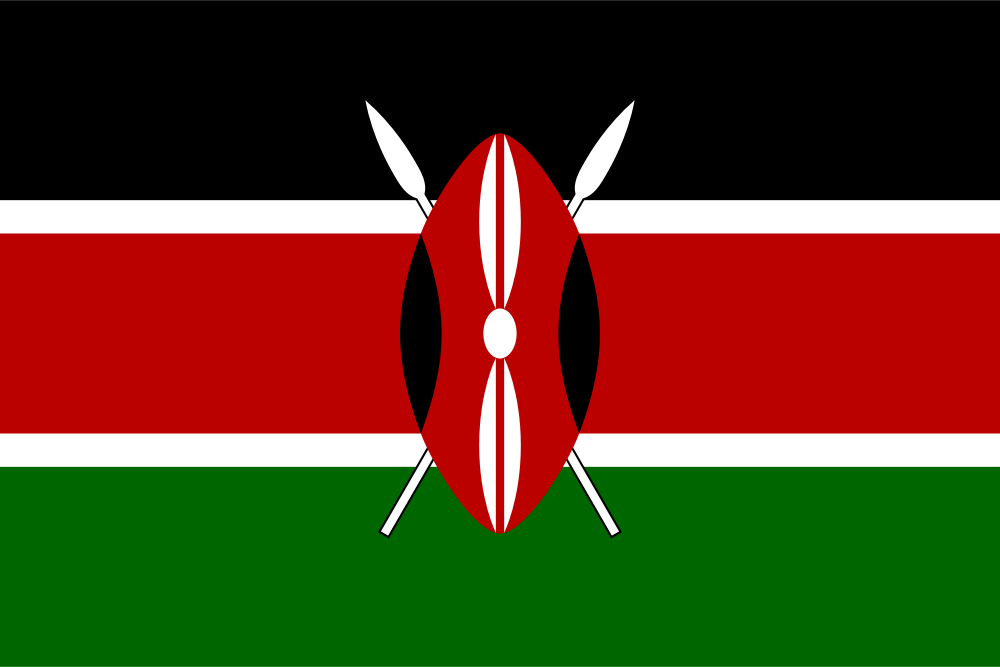
Kenya🕣
Country in East Africa. Official name – the Republic of Kenya. Population – 55.9 million (as of 2020). Capital – Nairobi. Official languages - English and Swahili. Kenya is a unitary presidential republic. Main religion - Christianity.
Kenya
Greeting
The traditional greeting is a handshake, and how long it lasts usually depends on how well the people know each other. At the same time, asking questions about health, family, and so on is common. In general, the greeting is not rushed.
At the start of a meeting, it’s important to shake hands with everyone present—skipping someone is considered rude. So if there are 10 people in the room, as a guest, you’re expected to shake hands and say hello to each one.
Handshakes are exchanged both among men and among women. However, between genders, this does not always happen. A man should wait for a woman to initiate the handshake before extending his hand to greet her.
When greeting someone older, it’s important to show as much respect as possible. Direct (especially prolonged) eye contact should be avoided—it’s better to look down. As a sign of respect, people sometimes place their left hand on the right wrist of the person they’re shaking hands with.
Men who’ve known each other for a long time might give each other a quick hug. Women usually greet each other with a handshake, too, but if they’re close friends, they might exchange light kisses on the cheek.
Introduction
All possible titles and honors that distinguish a person are taken seriously in Kenyan business culture, especially those that reflect one’s status within an organization or society. Hierarchy is respected in Kenya.
In formal, official, or business settings, always use your counterpart’s professional title, academic degree, or rank—if applicable—when addressing them. You may only switch to using their first name once they allow it.
Special respect should be shown to those who are older or hold higher positions. Even if someone holds a lower rank in the organizational hierarchy but is older, you should still address them by their surname along with any job title or professional qualification they may have.
If you do not know the person’s title, rank, or professional position—or if they do not have one—use polite forms of address such as Mr., Ms., Mrs., or Miss, followed by their surname.
When it comes to using names and titles, follow the lead of your Kenyan colleagues. Match your level of formality to the situation.
If you're meeting with a government official, make sure to find out in advance how they prefer to be addressed. In such cases, politeness and a high level of respect are essential.
Exchange of Business Cards
Business cards are important. They are typically exchanged either at the beginning or end of a first meeting—there’s no strict rule about the exact timing.
A business card usually includes the holder’s professional qualifications, job title, and academic degrees. Standard contact details such as phone numbers, website, and email address are also included.
Most business cards are printed in English and do not always include a translation into Swahili, the country’s second official language after English.
When handing over your business card, it's important to offer it with both hands—and likewise, accept your counterpart’s card using both hands. This gesture shows respect and professionalism.
Small Talk: Overview
When taking the first steps toward a joint project, Kenyans make an effort to get to know their potential partner better, as building relationships is at the heart of any business. Choose positive or neutral topics.
Observe how people communicate and how conversations are structured. Later, as you gain more experience, you’ll be able to manage the communication process with partners. In situations where you are the host, you will need to take the initiative in the conversation.
Although English is the primary language of business communication, you should not assume that everyone (including your partner) has an equal command of it. If necessary, repeat your ideas and opinions, and use additional questions to check how well you were understood.
During conversations, try to avoid asking general questions that require a "yes" or (especially) "no" answer, particularly if your question might be interpreted as a request. It’s better to use so-called open-ended questions, such as "How do you plan to conduct this meeting?" or "What are your thoughts on this?".
Kenyans tend to be quite expressive in speech, especially compared to Europeans. However, this does not mean that they behave aggressively, forcefully express their opinions, or passionately defend their point of view. A respectful tone in communication should be maintained.
Preferred Topics
Economy and Politics. In Kenya, people enjoy discussing various economic and political topics important to the country, such as those related to its future growth opportunities. It is advisable to support such conversations by first familiarizing yourself with the latest local news.
Family. Kenyans speak quite openly about their families, especially when it comes to the achievements of their children, nieces, and nephews. They may even share with you some of the challenges their children face at school. However, such openness typically only occurs after a certain level of relationship has been established.
Sports. Most men—and even some women—in Kenya are passionate about football. This topic is considered truly safe for conversation. Other popular sports include rugby, cricket (more popular among Kenyans of Asian descent), and long-distance running.
Taboo Topics
It’s best not to bring up ethnic group issues, even if you already know your Kenyan colleague or friend.
Asking about someone’s ethnic background can be a sensitive topic and may not be well received, especially in Nairobi, where there are many mixed marriages.
Corruption is another subject to steer clear of, since people can have very different views on it, which might make the conversation tense instead of friendly.
Personal Space
Kenyans are generally comfortable standing closer during conversations than people in places like Northern Europe or North America. Stepping back to create more distance might come across as unfriendly.
Physical contact is usually minimal and mostly happens between people who know each other well. A light pat on the shoulder or back is generally fine and seen as a friendly gesture.
Communication Specifics
For Kenyans, communication isn’t just about the words themselves. They often assume that some things go unspoken because they’re understood from the context or are part of the shared cultural background.
Sometimes, nonverbal cues carry more meaning than the actual spoken words. If something seems unclear or ambiguous, it’s a good idea for foreign partners to ask their Kenyan colleague for clarification.
In general, communication in Kenyan business settings tends to be polite and fairly formal.
This formality is maintained not only between managers and employees but also between business partners of equal status. It helps reinforce the hierarchy, and people are expected to respect those boundaries.
Over time, a bit more informality might develop in the relationship, especially outside of work. But it's important to remember that being too casual or overly personal can be seen as a sign of weak leadership or indecisiveness.
Kenyans often communicate in an indirect way, especially when discussing problems or difficult topics. Instead of giving a direct answer to an uncomfortable question, they might be vague or involve a third person to avoid confrontation.
Your Kenyan partner may also feel uneasy about giving negative feedback or saying "no" directly. It's quite common for them to say "yes" even if they actually disagree — for example, they might nod in agreement with a change to a plan even if they’re not convinced it’s the right move.
Any questions? Contact us.
Ask a Question